
Congratulations to our very own Superintendent Bawks!







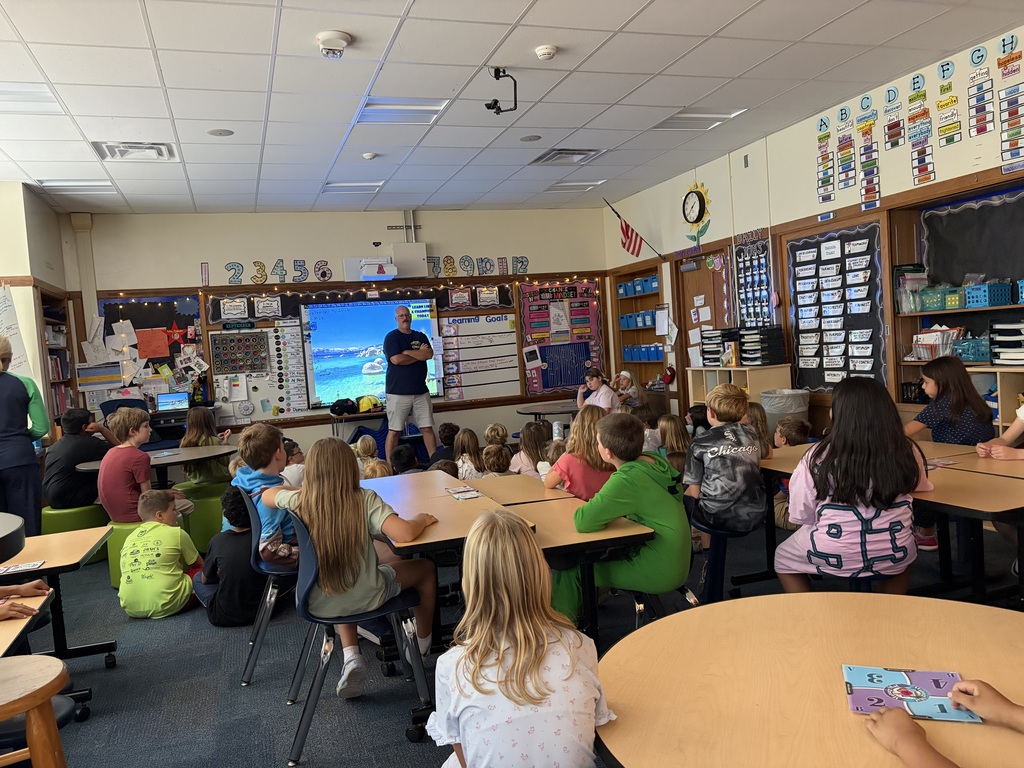
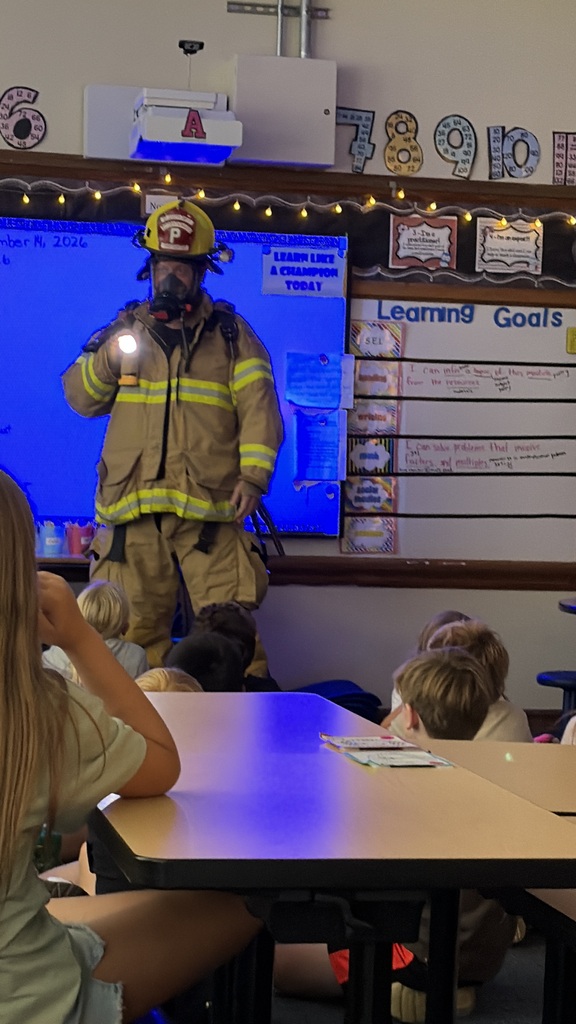
When local firefighter Brandon Downey walked into Lincoln Elementary School, he brought more than just stories from the station—he brought a mission that hits close to home.
As both a firefighter dedicated to protecting the community and a Lincoln Elementary parent, Downey addressed the fourth-grade classroom with a unique dual perspective. He bridged the gap between professional emergency response and everyday family life, turning standard safety lessons into an engaging, practical experience.
During the visit, Downey spoke with students about essential fire safety principles, from understanding how smoke alarms work to the importance of staying calm during an emergency. However, the most critical part of the lesson came in the form of a simple assignment.
Before heading home, each student was handed a blank grid map. Their goal: sit down with their families, sketch a floor plan of their home, and map out a personalized escape strategy in the event of a fire.
Safety experts consistently emphasize that having a home escape plan drastically increases a family’s chances of safely evacuating during a fire. Yet, it is an item that often slips to the bottom of busy household to-do lists.
By sending fourth graders home with a blank template, Downey turned a vital precaution into an interactive family project.
Key Elements of a Home Escape Plan
-Two Ways Out: Identifying two clear exits—such as doors and windows—from every room in the house.
-Clear Pathways: Ensuring hallways and window sills are free from clutter that could block a quick exit.
-Designated Meeting Place: Choosing a fixed, safe landmark outside the home (like a specific tree, mailbox, or neighbor's porch) where everyone agrees to gather.
-Practice Drills: Walking through the mapped plan at least twice a year so the route becomes second nature.
For the fourth graders at Lincoln Elementary, the visit was more than a change of pace in their daily school schedule—it was an empowering lesson in responsibility. By taking charge of their home maps, students transitioned from passive listeners to active leaders in their household safety.
As these young safety ambassadors head home with paper and pencils in hand, Lincoln Elementary and the local fire department hope these simple blueprints foster conversations that could ultimately save lives.